
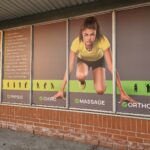
Curezone Physiotherapy | Heartland, Mississauga
About Curezone Physiotherapy | Heartland, Mississauga
Curezone Physiotherapy | Heartland, Mississauga is a physical therapy clinic located in Mississauga. Services include multidisciplinary rehabilitation clinic. Available features include free parking, Wi-Fi, wheelchair access, appointments, and booking or reservations.
Free parking; free Wi-Fi; wheelchair accessible; appointment-based multidisciplinary clinic; direct billing advertised.
Reviews
Loading Google Maps reviews...
Amenities
Payment
Frequently Asked Questions
01u003cau003eWill I need surgery to get rid of my wrist pains?u003c/au003e
Surgery is a last resort for many of the wrist conditions such as carpal tunnel syndrome. The majority of other wrist injuries can be treated conservatively with Registered Physiotherapy, modalities such as ultrasound, hot wax, interferential therapy treatment and exercises. All of the conservative Physiotherapy Treatments and the exercise equipment’s needed for exercises and recovery can be offered by Curezone physiotherapy at our location.
02FAQ u003cau003eWill I need a brace for my wrist pains?u003c/au003e
It is possible that a wrist brace may be helpful depending on the cause of your wrist pain. We do not recommend wearing a brace continuously all day and night for long periods. The wrist will become very weak and might cause prolonged recovery at times. Certain types of wrist pain benefit from the use of a brace. We would also recommend reducing the activities that aggravate the wrist pain. It is advisable to be assessed by a Registered Physiotherapist to determine the cause of your wrist pain. Your physiotherapist will be able to tell you if a wrist brace is a good idea for you to wear. At Curezone physiotherapy, we carry many different braces if they are required for your wrist pain.
03FAQ u003cau003eWhat is wrist tendinosis?u003c/au003e
Wrist tendinosis symptoms usually include pain and sometimes weakness with activities using the wrist or hand.
04u003cau003eWhat can cause wrist pain without injury?u003c/au003e
Any repetitive movement of the wrist like heavy lifting or typing, writing can cause wrist pain.u003cbr/u003eCarpal tunnel syndromeu003cbr/u003eOsteoarthritisu003cbr/u003eRheumatoid arthritisu003cbr/u003eDe Quervain’s diseaseu003cbr/u003eRepetitive motion syndromeu003cbr/u003eTriangular fibrocartilage complex u003cstrongu003einjuryu003c/strongu003eu003cbr/u003eu003cstrongu003eWristu003c/strongu003e tendonitisu003cbr/u003eu003cstrongu003eWristu003c/strongu003e bursitis.
05u003cau003eWhat does carpal tunnel feel like?u003c/au003e
Carpal tunnel syndrome is a condition that causes pain, numbness, tingling, and weakness in the hand and wrist. It happens due to repetitive movements of the hand causing increased pressure within the wrist on a nerve called the median nerve. This nerve provides sensation to the thumb, index, and middle fingers, and to half of the ring finger. Pain and numbness at night are very common symptoms of carpel tunnel syndrome.
06u003cau003eWhat treatments are available for wrist pains?u003c/au003e
Possible treatments for wrist pain include: Ultrasound, interferential therapy also called as muscle stimulation treatment, hot wax treatment, laser treatment, acupuncture, exercises, cryotherapy, and hands on Manual therapy with mobilization Physiotherapy Treatments.
07u003cau003eWhat other treatment options do I have?u003c/au003e
Spinal Decompression / Lumbar Traction for the spineu003cbr/u003eCorticosteroid injectionu003cbr/u003eNerve blocks around the nerve rootu003cbr/u003eBack Brace for supportu003cbr/u003e12% of Americans with low back pain AND depression had seen a psychologist or psychiatrist in the past year, and only 8% were prescribed cognitive behavioral therapy.
08u003cau003eHow do I know if the low back pain is muscular or nerve related?u003c/au003e
It’s important to know that one of the biggest differences between nerve pain and muscle pain is chronic pain. Chronic pain has long-lasting side is ongoing and constant. The damaged tissue that causes nerve pain often leads to chronic pain.u003cbr/u003eNerve Painu003cbr/u003eBurning, tingling, pins and needles, numbness, sharp sensationu003cbr/u003eUnable to move or walk in acute phaseu003cbr/u003eThe pain tends to be chronic pain (lasting for 6 months or more)u003cbr/u003eUsually resides in arms, hands, legs and feetu003cbr/u003eAffects weak immune and orthopedic patients.u003cbr/u003eu003cstrongu003eMuscle Painu003c/strongu003eu003cbr/u003eTender, throbbing, stiffness sensationu003cbr/u003ePain in muscles and jointsu003cbr/u003eOften caused by injury or inflammationu003cbr/u003eThe pain is generally short-term painu003cbr/u003eYour Registered Physiotherapist usually does a detailed assessment and discusses with you a proper management protocol.
09u003cau003eWhen should imaging being considered?u003c/au003e
Don’t do imaging for low back pain within the first six weeks, unless red flags are present. (Red flags include, but are not limited to, severe or progressive neurological deficits (e.g., bowel or bladder function), fever, sudden back pain with spinal tenderness, trauma, and indications of a serious underlying condition (e.g., osteomyelitis, malignancy). The majority of disc herniations will regress or reabsorb within eight weeks of onset.
10u003cau003eHow many sessions do I need for lower back pain treatment?u003c/au003e
A lower back pain treatment generally requires 8 to 10 sessions depending upon the severity and the cause of the back pain. An acute low back muscle spasm or pull may need fewer sessions than a disc Herniation or nerve compression causing the back pain. On your 1u003csupu003estu003c/supu003e visit the physiotherapist usually does a detailed assessment followed by treatment and explains you the treatment time required to heal the problem.
11u003cau003eIs physiotherapy effective in treating lower back pain?u003c/au003e
Low back pain can be due to various reasons such as mechanical low back pain, pain due to postural dysfunction, muscle spasm, sciatic pain, degenerative disc disease, Spinal stenosis, disc herniations and many more. Physiotherapy is preferred as the first line of treatment for the lower back pain. Your doctor may refer you to a physiotherapist or you might arrange an appointment yourself in the times of severe back pain or spasm. Your physiotherapist may recommend exercises, modification in lifestyle, wide range of treatments and techniques and change in ergonomic activities which may help to improve your pain and restricted range of motion. If your back pain has lasted more than a few weeks, it’s always recommended to book and appointment with our physiotherapists. They are specialized and trained in McKenzie methods of treatments towards back injuries and have more Hands On manual therapy approach in treating the patient.
12u003cau003eHow long is my artificial knee replacement expected to last?u003c/au003e
90-95% chance that your joint will last 10 years, and a 80-85% that it will last 20 years. With improvements in technology, these numbers may improve.
13u003cau003eHow much pain should I expect after my knee replacement surgery?u003c/au003e
You may experience some pain and mild swelling in your leg after the knee replacement. Elevation of the leg, wearing a compression hose and applying ice pack for 15 to 20 minutes at a time will help to reduce the swelling. You may be permitted to take continuous passive movement exerciser (CPM) machine home with you for few weeks to encourage knee bending. While you can expect some good days and some bad days, you should notice gradual improvement and gradual increase in your endurance over the next 6 to 12 months. Swelling is normal for first three to six months after surgery elevate your legs slightly and apply ice.
14u003cau003eWhat is the recovery timeline after the replacement?u003c/au003e
It can take up to three months for you to return to most activities, and likely six months to one year to fully recover to maximal strength and endurance following total knee replacement surgery. At week 12, keep doing your exercises and avoid high-impact activities that could damage your knee includingu003cbr/u003erunningu003cbr/u003eaerobicsu003cbr/u003eskiingu003cbr/u003ebasketballu003cbr/u003efootballu003cbr/u003ehigh-intensity cyclingu003cbr/u003eAt week 12, you will likely have less pain or no pain during normal activities and recreational exercise, and a full range of motion in your knee.
15u003cau003eIs there any way to avoid surgery for knee pain?u003c/au003e
Active Physiotherapy management for the knee pain (Osteoarthritis or Rheumatoid Arthritis) such as Mobilizations, active exercise program, distraction techniques, Active myofascial release for the muscles around the knee, modalities such as Laser, Shockwave therapy and Custom made knee braces are generally tried treating for Osteoarthritis of the knee causing knee pain. Active Home exercise program is also provided for pain relief. Medications or Injections such as corticosteroids, platelet rich plasma, stem cells are also recommended by the doctors.
16u003cau003eWhen is the right time to undergo knee replacement?u003c/au003e
Disabling pain in the knee joint with functional impairment such as severe osteoarthritis and osteoporosis.u003cbr/u003eRadiographic evidence of significant arthritic involvementu003cbr/u003eFailed conservative measures including ambulatory Aids like canes, NSAIDS, and lifestyle modification.u003cbr/u003eDeformity of the knee such as bow legs.u003cbr/u003eInability to fully straighten the kneeu003cbr/u003eExtreme weakness or instability of the kneeu003cbr/u003eInability to walk independently
17u003cau003eWhat risks are involved with a torn rotator cuff?u003c/au003e
Rotator cuff is the group of four muscles around the shoulder joint. These tears occur over time with wear and tear and causes slower progression of pain and related symptoms.u003cbr/u003eThe most common symptoms of rotator cuff injuries include:u003cbr/u003ePain with motion and at restu003cbr/u003eMuscle weakness, especially lifting or moving the shoulder in specific direction.u003cbr/u003ePopping or clicking sounds triggered by motionu003cbr/u003eLimited range of motion of the shoulder
18u003cau003eWhat are some warning signs or symptoms of shoulder pain?u003c/au003e FAQ
Dull to Constant Pain all the throughout the dayu003cbr/u003eDisturbed sleep or unable to sleep at allu003cbr/u003eLoss of Shoulder Range of motion u003cbr/u003eRepeated shoulder dislocationsu003cbr/u003eRepeated instances of the shoulder giving outu003cbr/u003eA persistent sensation of the shoulder feeling loose, slipping in and out of the joint.u003cbr/u003eTenderness to touch around the shoulderu003cbr/u003ePain after repetitive shoulder movements in certain directions
19u003cau003eWill I need surgery for my shoulder pains?u003c/au003e FAQ
Arthroscopic surgeries are recommended on severe cases such as Full thickness tear, Muscle fiber tear, non comminuted fracture or non-displaced fractures causing a lot of constant pain. Shoulder with multiple chronic dislocations and instability needs surgical intervention followed by physiotherapy treatments to retraining and re education of the rotator cuff muscle.u003cbr/u003eShoulder replacement or arthroplasty are usually done for irreparable tears of the rotator cuff, rotator cuff arthropathy, and avascular necrosis of the humeral head.
20u003cau003eHow is shoulder injuries treated?u003c/au003e FAQ
Your doctor can prescribe medications to reduce swelling and inflammation. Rest and modification in activities of daily living is recommended for a faster recovery. Physiotherapy is one of the other options for treating shoulder pain. Physiotherapy treatment comprises of change in lifestyle activities and workout plans, manual therapy, Fascia stretch release, Active exercises such as strengthening and stretching exercise, Movement strategy training, Work conditioning approach, Postural corrections, open and closed kinetic chain exercises for improving shoulder joint reposition sense. The electrical stimulation to the rotator cuff during exercise activity has shown beneficial results to improve muscle fiber recruitment and contraction. Dynamic stabilization exercises are also performed to re-establish dynamic joint stability. Modalities such as Shockwave Therapy, Laser Therapy have proven results in shoulder pain treatments.
21u003cau003eWho is most affected by severe shoulder pains?u003c/au003e FAQ
Most of the shoulder pains are overuse injuries or due to constant or prolonged positioning of the arm above the shoulder. Sometimes, the shoulder pain can be a result of direct blow to the shoulder or fall Injury. They usually fall under 4 categories.u003cbr/u003eDirect blow to the shoulder( Fractures, Bruising, Rotator cuff muscle spasm)u003cbr/u003eArthritis ( Osteoarthritis, Rheumatoid Arthritis)u003cbr/u003eTendon Inflammation or tearu003cbr/u003eInstability of the shoulder
22u003cau003eWhat will wearing a brace do for my knee pain?u003c/au003e
Curezone Physiotherapy, Mississauga provides a wide variety of custom made Knee braces and Off the shelf customized knee braces. These braces are helpful to manage knee injuries or prevention. They provide the stability, help in improving the Knee ROM and recover quickly and prevent re-injury to the knee, whether it is for sports, daily functions, pain reduction or post-surgery. The physiotherapist generally recommends you the brace based on your activities. They take the measurements and do the fitting for you providing you the right knee brace. The cost of your knee brace is usually covered through your private healthcare insurance.
23u003cau003eHow will physiotherapy help with knee pain?u003c/au003e
Physiotherapy can help you to manage pain and improve your strength and flexibility. A physiotherapist can provide a variety of treatments, help you understand your problem and get you back to your normal activities.They provide you specific exercises based on your assessment. They may also use modalities such as Ultrasound, Laser Therapy or Shockwave Therapy based on the diagnosis and your symptoms.
24u003cau003eIn what cases are knee procedures or surgery necessary?u003c/au003e
Surgery may be recommended if your pain is very severe or you have mobility problems. If you have tried all forms of treatments and still experience massive mobility issues. Your doctor will discuss with you what the surgery may involve. The type of Surgery is usually recommended based on your age, the activities involved and your future goals in life.
25u003cau003eHow effective are cortisone treatments for knee pain?u003c/au003e
Cortisone treatments help to relive pain and inflammation in your knee due to tendonitis or bursitis around the knee joint areau003cstrongu003e. u003c/strongu003eThey are generally used when other treatments are not effectively helping in reducing the symptoms. The effect of cortisone should kick in one or two days later. They can provide relief from few weeks to months depending on the condition.u003cstrongu003e u003c/strongu003e
26u003cau003eWhat are common injuries that can cause knee pain?u003c/au003e
The common injuries which can cause Knee pain are ACL Injury, Torn Meniscus, Knee Bursitis, Patellar Tendinitis, Osteoarthritis, Rheumatoid Arthritis, Gout, Loose bodies, Obesity, Iliotibial band syndrome, Jumper’s Knee, Osgood Schlatter Syndrome very common injury in younger age groups.
27u003cau003eWhat is the cause of elbow pain?u003c/au003e
It is caused by activities that require repeated flexing or twisting of the wrist. Repetitive tasks like gardening, shoveling, prolonged hours of cooking and cleaning, typing, throwing a ball, painting and similar activities all put you at risk for golfer’s or tennis elbow. It can also be seen in weight trainers with poor technique, as well as those who work in carpentry, painting or electrical works which require repetitive bending and straightening the elbow.
28u003cau003eIs there a difference between inner and outer elbow pain?u003c/au003e
Inner elbow pain is mainly called as Golfer’s elbow or medial epicondylitis and outer elbow pain is called as tennis elbow or Lateral epicondylitis. Tennis Elbow is the inflammation of the tendon outside of the elbow called as extensor muscle group, while a person suffering from golfer’s elbow will experience inflammation on the inner side of the arm of the flexor muscle group.
29u003cau003eWill physiotherapy treatment will be painful?u003c/au003e
The Physiotherapist explains in detail the treatment planned and the machines beneficial for the treatment. The treatment is usually a bit painful but they sure it is within the limits of your pain. They prefer using some modalities such as Laser, Ultrasound, Shockwave Therapy, and Electro Acupuncture for faster recovery.
30u003cau003eCan I continue to exercise while getting treatment for my elbow pain?u003c/au003e
It all depends upon your severity of symptoms and loss of muscle tone and strength of the extensor muscle group. After your initial assessment and treatment the physiotherapist decides the exercises and gives you a proper guidance of the activities they can perform. Our physiotherapists are usually an expert and best in providing elbow pain treatments. Their goal is to implement a treatment plan where you can continue your normal day to day activities without restricting or bracing your elbow.
31u003cau003eShould I be icing my sore elbow?u003c/au003e
They usually recommend you icing at the initial stage of injury or symptoms. Icing is recommended after the treatment due to muscle soreness. After 2 -3 sessions, the physiotherapist usually recommends using a heat to promote faster healing. They provide you a proper guidance as they go along with the treatment.
32u003cau003eWhat are the long term effects of unresolved elbow pain?u003c/au003e
Unresolved elbow pain generally leads to chronic scar tissue formation and constant dull ache. u003cbr/u003eIt can also decrease the muscle tone of the extensor muscle group, increase muscle weakness, tenderness on palpation of the extensor muscle group. It can also lead to disability and inability to perform normal day to day activities and household chores.
33u003cau003eWhat are the differences between trigger points and myofascial release massage therapy?u003c/au003e
Trigger points are taut bands in a muscle that can refer pain to other parts of the body. By focusing on relieving trigger points, this massage can reduce pain. Trigger point massage will include broad flowing strokes that are gentle and relaxing combined with stronger, deeper pressure on specific (single) areas of release. Myofascial release focuses on pain believed to arise from myofascial tissues – the tough membranes that wrap, connect and support your muscles. Myofascial release uses sustained pressure to stretch and lengthen the fascia over a broad area of muscle and tissue rather than at single points.
34u003cau003eAre deep tissue massages safe after injury?u003c/au003e
Deep tissue massage is more intense. Depending on the injury and stage of injury it may not be recommended. However, whether deep tissue is safe or not can only be established after taking a health history and injury history with a patient. Some injuries require healing prior to applying intense techniques. If the injury is more acute then a more cautioned approach to intense pressure is required. If the injury is more chronic, then more pressure can be applied to relieve tension and tightness. However, at all times, patient’s comfort level is kept in mind. Kick back pain is to be avoided at all times.
35u003cau003eAre deep tissue massages supposed to hurt?u003c/au003e
Deep tissue massage uses more pressure than a Swedish massage. Mostly used for chronic muscle soreness, injury or imbalance. It can help relieve tight muscles u0026amp; chronic muscle pain. Deep tissue massage uses both slow strokes and deep pressure to relieve tension from your deepest layers of muscles and connective tissue. Deep tissue massage is more intense than the Swedish massage, and with any massage treatment, 24-48 hours of soreness is expected. However, it should not hurt. If during the treatment any deep technique feels too intense for your comfort level, you should always communicate that to the massage therapist. The massage therapist can change or reduce the pressure as per the comfort level.
36u003cau003eWhat happens during a Swedish massage?u003c/au003e
Swedish massage treatment’s primary goal is used to relax the entire body. But Swedish massage therapy goes beyond relaxation. It helps in improving circulation and flexibility while easing tension u0026amp; helps in decreasing levels of the stress hormone. The massage therapist lubricates the skin with massage oil or lotion and uses various gliding massage strokes. These movements warm up the muscle tissue, releasing tension and gradually releasing muscle knots.
37u003cau003eHow do I know which type of massage is best for me?u003c/au003e
The goal of a massage therapy treatment is set by you e.g., relaxation, soft tissue or muscle pain alleviation, increasing range of motion etc. The massage therapist will work with you in establishing a clear goal of your treatment by asking questions about your symptoms u0026amp; health history. The massage therapist will then establish a treatment plan based on your goals and recommend the massage treatment best suited for your symptoms and goals. Your consent for the said treatment plan will be sought. The plan will elucidate the techniques, areas and type of treatment that the massage therapist will use. You can at any point during the treatment ask the massage therapist to use techniques and pressure you are most comfortable with.
38u003cau003eWill I be provided exercises at home to help speed up recovery?u003c/au003e FAQ
Of course, our registered physiotherapist makes sure to provide a proper home exercise program on your first initial physiotherapy assessment. They start with light basic exercises followed by strengthening exercises and weights on the follow up visits. Home exercise program helps in speedy recovery and less sessions.
39u003cau003eHow can sports injuries be prevented?u003c/au003e FAQ
Sports Injuries can be avoided by various ways. Our physiotherapist usually recommends and provides you proper forms and movement techniques will perform sports and activities. They sometimes may advise you to get a video or record your activities so as they can watch and find the ways to improve the form and correct the right movement strategy. They may also recommend following options for support. u003cbr/u003eBracing and Sports Tappingu003cbr/u003eMuscle reconditioning Exercisesu003cbr/u003ePropioception and balance trainingu003cbr/u003eCustom made Orthoticsu003cbr/u003eCustom made Braces
40u003cau003eHow many sessions are needed before I can become active again?u003c/au003e FAQ
Our physiotherapist usually discusses the diagnosis with you after the assessment and tells you about how many treatments they think would take to treat the problem. Generally, it takes 5 to 10 sessions to completely get pain free. It can take more or lesser sessions based on your symptoms and your effort and support.
41u003cau003eIs sport injury therapy covered by my insurance provider?u003c/au003e FAQ
Yes, sport injuries are covered by all insurance companies. Usually sports injuries are due to overuse or improper training and techniques. The licensed registered physiotherapist in our sports injury clinic Mississauga is to plan patient oriented customize exercise program that is progressed gradually by sports injury prevention program.
42u003cau003eIs any external examination required for pelvic floor physiotherapy?u003c/au003e FAQ
Yes, the physiotherapist starts the assessment with the external examination after discussing and going through your detailed symptom monitor questionnaire which is given to be filled out before the appointment. It is generally recommended to come 20- 25 minutes earlier to fill up the questionnaire.
43u003cau003eHow long is usually the pelvic floor assessment?u003c/au003e FAQ
It usually takes around 1 hour to 75 minutes and sometimes may need 2 sessions to complete the full assessment. In those cases, the physiotherapist discusses the issues to be treated followed by the education about the condition and the treatment required.
44u003cau003eWhat does a pelvic floor physiotherapist do?u003c/au003e FAQ
Our Pelvic physiotherapist divides your assessment in 3 parts.u003cbr/u003e u003cbr/u003eGoing through your intake form and discussing your subjective historyu003cbr/u003eExternal Examination to make sure if you have any underlying cause externally.u003cbr/u003eInternal Examination with fully informed consent: Patient must understand what you are doing u0026amp; why maintain your patients’ dignity at all times.Vaginal /rectal palpation is the recommended technique for Physiotherapist to understand, teach and give feedback to patients for Pelvic Floor Muscle (PFM) tone globally and assessing the ability to do a pelvic floor contraction.
45u003cau003eWhat treatment does a pelvic floor Physiotherapist do to strengthen my pelvic floor?u003c/au003e FAQ
A physiotherapist will design an exercise program for the individuals’ specific problem, involving muscle re education, bladder retraining and strengthening of the pelvic floor muscles. If the muscles are very weak, a physiotherapist may use electrical stimulation of the pelvic floor muscles. The can teach strengthening of the pelvic floor muscles, which can help to reverse the process.
46u003cau003eWhat is hypertonic muscle in pelvic floor?u003c/au003e FAQ
Tight pelvic floor muscles is HYPERTONICITY . Our pelvic Health physiotherapist at Curezone Physiotherapy, Mississauga aims to treat various issues related to men and women health. It generally contributes to Urinary and Fecal Urgency, Urge Incontinence, Chronic Pelvic Pain, Dyspareunia, Vaginismus, Vulvodynia, Pudendal Neuralgia, Interstitial Cystitis and Chronic Prostatitis.
47u003cau003eWhat is pelvic floor rehabilitation?u003c/au003e FAQ
The pelvic floor consists of nerves, fascia and three layers of muscles. These muscles start from the Pubic bone and go to the coccyx (tailbone). Pelvic floor rehabilitation is the physiotherapy treatment of the conditions related to the pelvic floor (Men or women), pelvic girdle dysfunction or SI joint dysfunction, Pregnancy related rehabilitation and pain related issues in and around the pelvic region. Pelvic floor physiotherapy helps in increasing the muscle strength of the weak pelvic floor or increasing the flexibility of the tight pelvic muscles.
48u003cau003eHow many treatments will I need?u003c/au003e FAQ
Our physiotherapist usually discusses the diagnosis with you after the assessment and tells you about how many treatments they think would take to treat the problem. Generally, it takes 5 to 10 sessions to completely get pain free. It can take more or lesser sessions based on your symptoms and your effort and support.
49u003cau003eDo I need a Doctors referral?u003c/au003e FAQ
You usually do not need any doctor note for the physiotherapy services. But some of your insurance companies do need them for reference. But it is always appreciated if you have one and bring a copy for us as well.
50u003cau003eWhat are the different kinds of physiotherapy treatment?u003c/au003e FAQ
There are various kinds of physiotherapy treatments provided by our physiotherapist after a detailed assessment. Some of the conditions treated by the physiotherapist are: u003cbr/u003eSprains and strains like Tennis elbow, Golfer’s Elbow, MCL, LCL sprain, Ankle sprain, Wrist strain and sprain, Quadricep muscle strain, Hamstring Muscle strain, Calf muscle strain. u003cbr/u003eFrozen Shoulderu003cbr/u003eTMJ Dysfunction Physiotherapyu003cbr/u003eBalance disordersu003cbr/u003eVestibular Physiotherapy (Vertigo and dizziness)u003cbr/u003eConcussion Managementu003cbr/u003ePelvic Health Physiotherapy (Men AND Women)u003cbr/u003eBack and neck painu003cbr/u003eChronic Pain u0026amp; Arthritis / Osteoarthritis / Rheumatoid Arthritisu003cbr/u003eOsteoporosisu003cbr/u003ePre and Post fracture physiotherapy treatmentu003cbr/u003eWorkplace injuries through WSIBu003cbr/u003eMotor vehicle accidentsu003cbr/u003eFall prevention programsu003cbr/u003eParkinson Syndromeu003cbr/u003ePost operative Physiotherapy such as hip replacements, knee replacementsu003cbr/u003ePhysiotherapy consists of many components of care to promote recovery: manual therapy, exercise, education and a home program, along with modalities such as laser, ultrasound and electronic interventions. Using comprehensive, evidence-based treatment practices, we implement personalized treatment programs. The Graston Technique is a form of manual therapy known as soft-tissue instrument-assisted mobilization. It is one of several manual therapy approaches that uses instruments with a specialized form of massage/scraping the skin gently.
Similar Listings
View all ›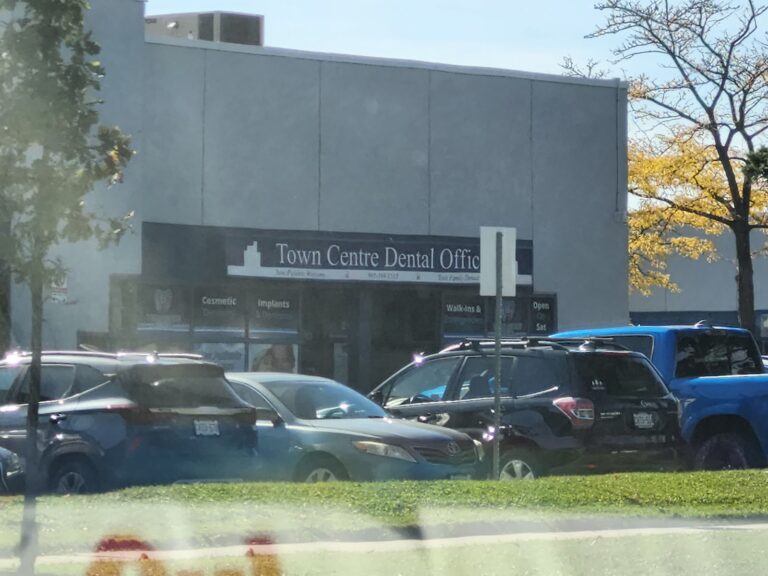
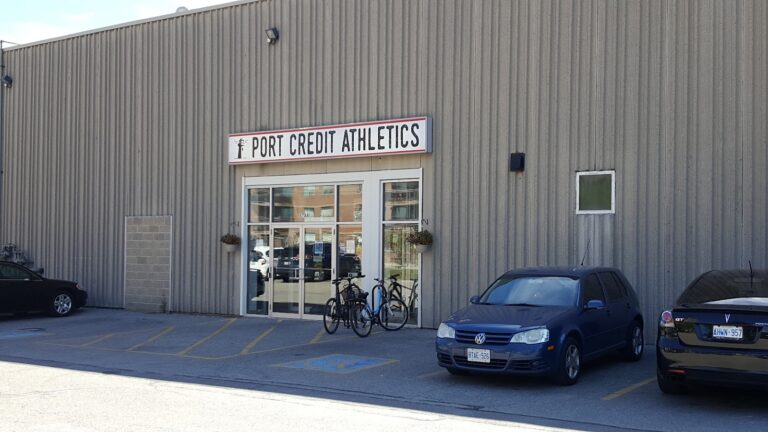

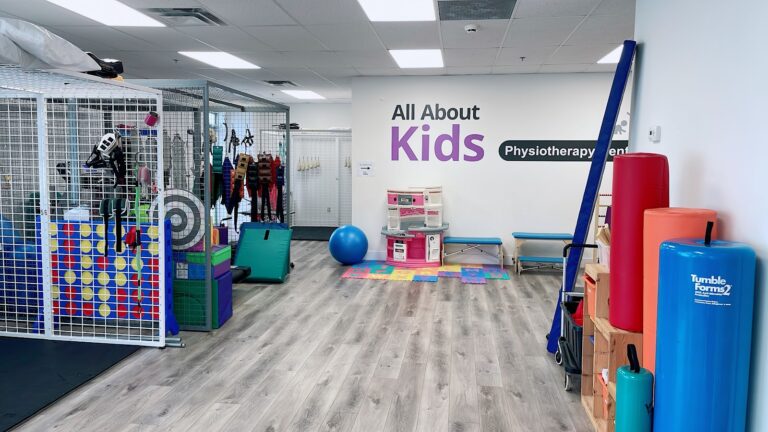

Curezone Physiotherapy | Heartland, Mississauga
812 Britannia Rd W Ste 110, Mississauga, ON L5V 0A6, Canada, Mississauga
- 1Create your accountA claim transfers this listing to you, so it has to be attached to a real account.
- 2Tell us who you areYour role at the business and how you are connected to it.
- 3Attach your proofUpload a PDF, JPG or PNG — a licence, utility bill or letterhead works well.